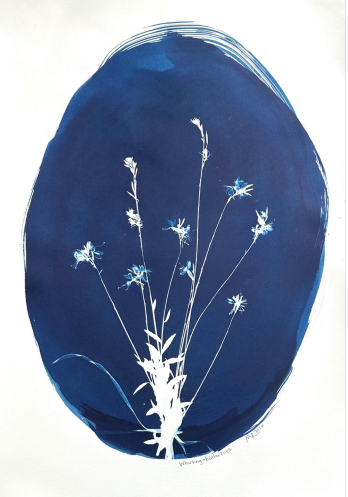
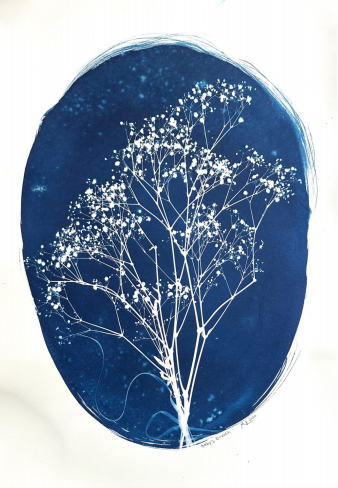
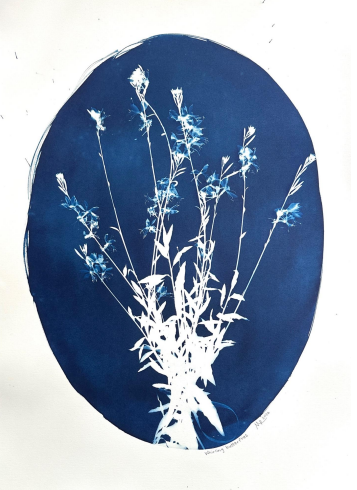
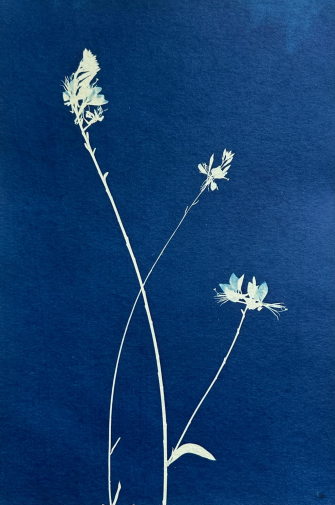
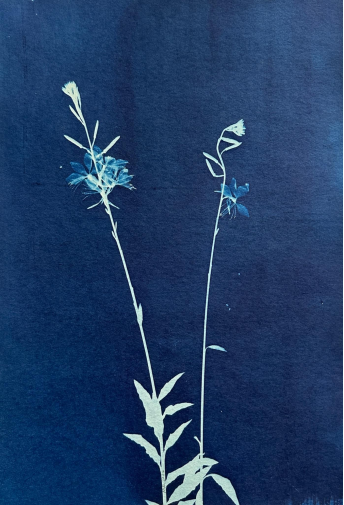
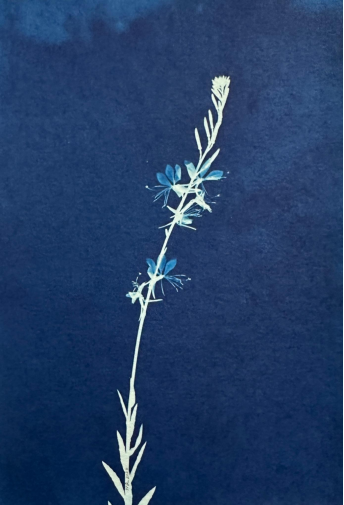
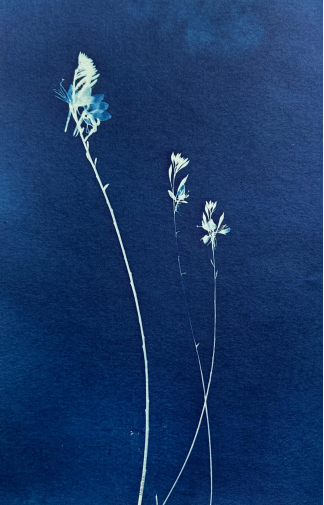
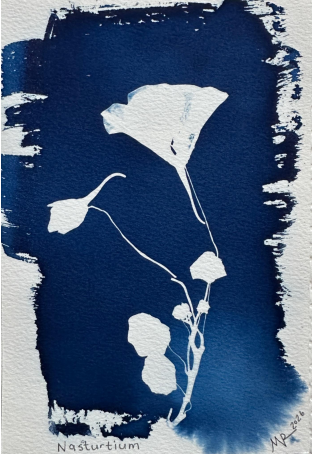
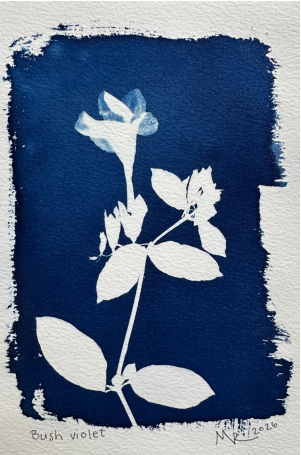
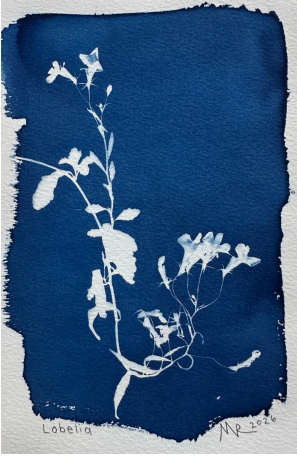
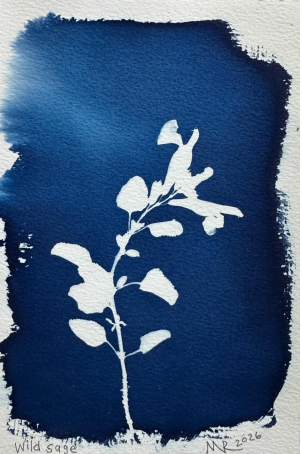
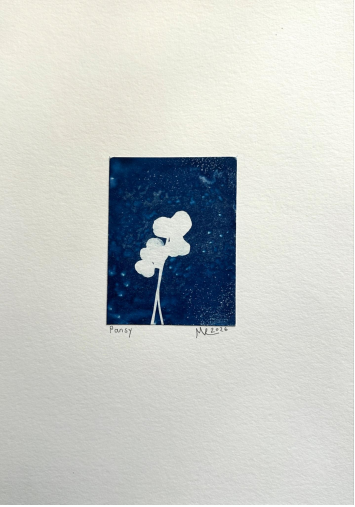
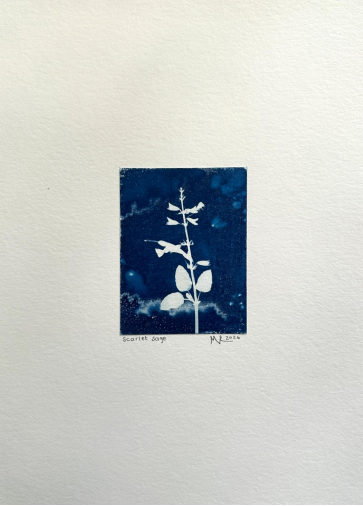
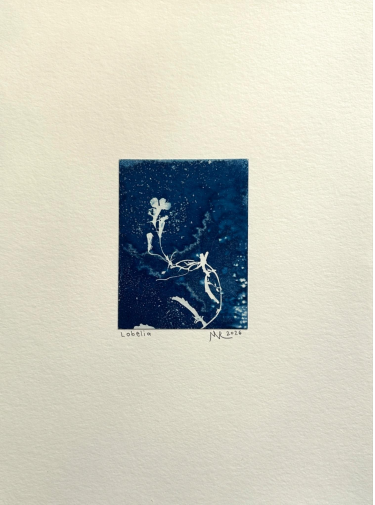
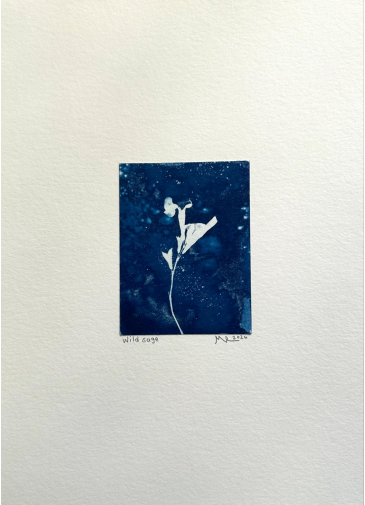
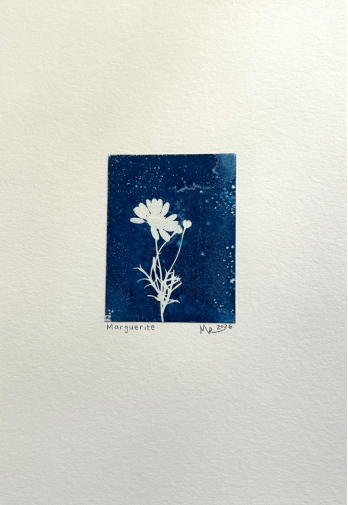
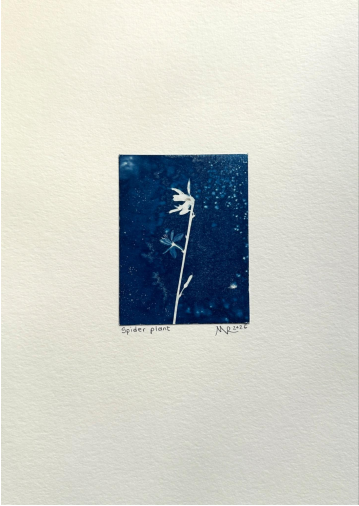
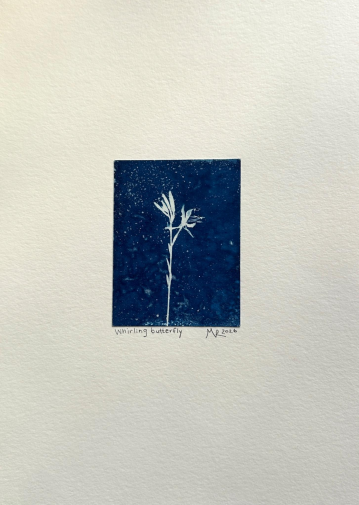
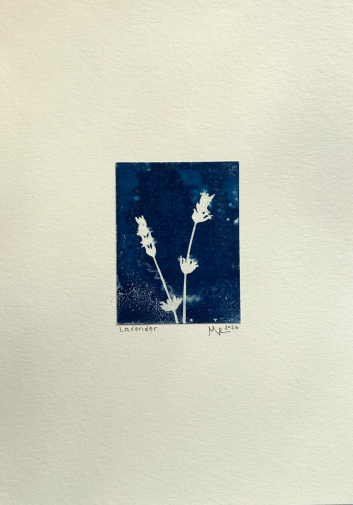
Florilegium presents a living archive of memory, plant knowledge, and place. Drawn from the idea of a “gathering of flowers,” the title suggests more than a botanical catalogue. It invokes the collecting of stories, remedies, inheritances, and relationships that persist between people and the natural world, and more specifically – the backyard garden. The exhibition becomes a contemporary florilegium of southern African garden flora, where each image operates as both specimen and testimony.
The practice of gathering flowers from one’s garden resonates quietly throughout the exhibition. Such an act is at once ordinary and intimate: to step into a garden, to notice what is in bloom, and to pick stems by hand is to enter into a rhythm of care, observation, and seasonal attention. Gathered flowers carry with them the domestic and the personal; they are shaped by routine, memory, and proximity, and often become markers of time, loss, celebration, and return. When those flowers are pressed and preserved, their fleeting beauty is given another form of duration. Preservation here is not only botanical, but also emotional and cultural: a way of holding memory, attachment, and knowledge in material form.
Central to this exhibition is the use of the cyanotype, an early photographic printing process whose deep blue tones suggest both fragility and permanence. By employing this historical technique to document indigenous flora and their known uses, it brings past and present into close relation, creating works that read simultaneously as artefact, field note, and elegy. The cyanotypes do not simply depict plants; they ask how traditional knowledge is held, transmitted, and remembered, particularly in a time of environmental precarity and cultural erasure.
Florilegium is ultimately an exhibition about reconnection: to ancestral systems of care, to the symbolic lives of plants, and to ways of understanding the land as animate, instructive, and alive with memory. Here, botany becomes biography, and the archive blooms.
©Marita van Rooyen, 2026

